












What is FSC Certification? Forest Stewardship Council Explained
FSC certification, short for Forest Stewardship Council certification, is an international chain-of-custody standard administered by the FSC since 1993 that traces timber from a responsibly managed forest through every processing step to the finished piece of furniture. Brands earn the certificate by submitting their forest sources, sawmills, and factories to annual third-party audits. At Comosum, three brands we carry hold FSC certification on the lines we stock — Ethnicraft (oak, teak, walnut), Cane-Line (teak), and FDB Møbler (oak) — and a fourth, Tiptoe, holds PEFC, the European-led counterpart to FSC.
Before the FSC existed, a furniture buyer had no reliable way to tell whether the oak in a dining table came from a managed European forest or from illegal logging in the tropics. Timber moves through sawmills, kiln-drying, brokers, manufacturers, and importers, and at each step the paperwork can be lost, faked, or mixed with uncertified stock. FSC was founded in response to that gap. It is an international non-profit, headquartered in Bonn, Germany, and it does the thing the industry will not do for itself: it audits every step from the forest to the finished product.
The greenwashing this cert addresses is direct. "Sustainable wood" with no certificate is a marketing line. "FSC-certified solid oak, certificate FSC-C012345" is verifiable. The whole reason to ask for the number is so the claim can be checked.
What FSC actually measures
FSC certifies three things in the wood supply chain. The forest itself, against the FSC environmental and social criteria — biodiversity, indigenous rights, worker safety, no conversion of natural forest to plantation, no use of banned pesticides. The chain of custody, meaning every processor and reseller between the forest and the finished product holds a Chain of Custody (CoC) certificate audited annually. And the product label, which appears on the finished piece in one of three tiers.
The three FSC product labels do different work:
- FSC 100% — every fiber of wood content is from FSC-certified forests.
- FSC Mix — the most common in furniture. Wood content is a blend of FSC-certified material, FSC-controlled (audited non-FSC) material, and post-consumer recycled material, with a minimum 70% certified or recycled content.
- FSC Recycled — all wood content is post-consumer recycled.
What FSC does not cover. The finish chemistry — solvent-heavy lacquer on an FSC-oak chair is outside the scope of the certificate. The labor at the factory where the wood becomes furniture — FSC audits chain of custody, not employment practice. The company-level practice — a brand can hold FSC on one product line and not on another. We pair FSC with GREENGUARD Gold (for finish), B Corp (for company practice), and OEKO-TEX (for textiles) to cover the gaps.
How verification works
FSC does not audit certificates itself. The audits are carried out by accredited third-party certification bodies — commonly Bureau Veritas, SCS Global Services, NEPCon, SGS, and TÜV SÜD — each of which is in turn audited by Assurance Services International, the body that polices the certifiers. The structure is deliberate: FSC writes the standard, and an independent layer applies it.
Every FSC certificate has a unique identifier in the format FSC-C followed by six digits (for example, FSC-C012345). Chain-of-custody certificates are renewed annually, with surveillance audits in between. Any buyer can look up that number at info.fsc.org and see the certificate holder, validity dates, audit body, and the scope of products covered. If a brand or retailer cannot produce the certificate number on request, the FSC claim is not verifiable.
Which Comosum brands hold FSC
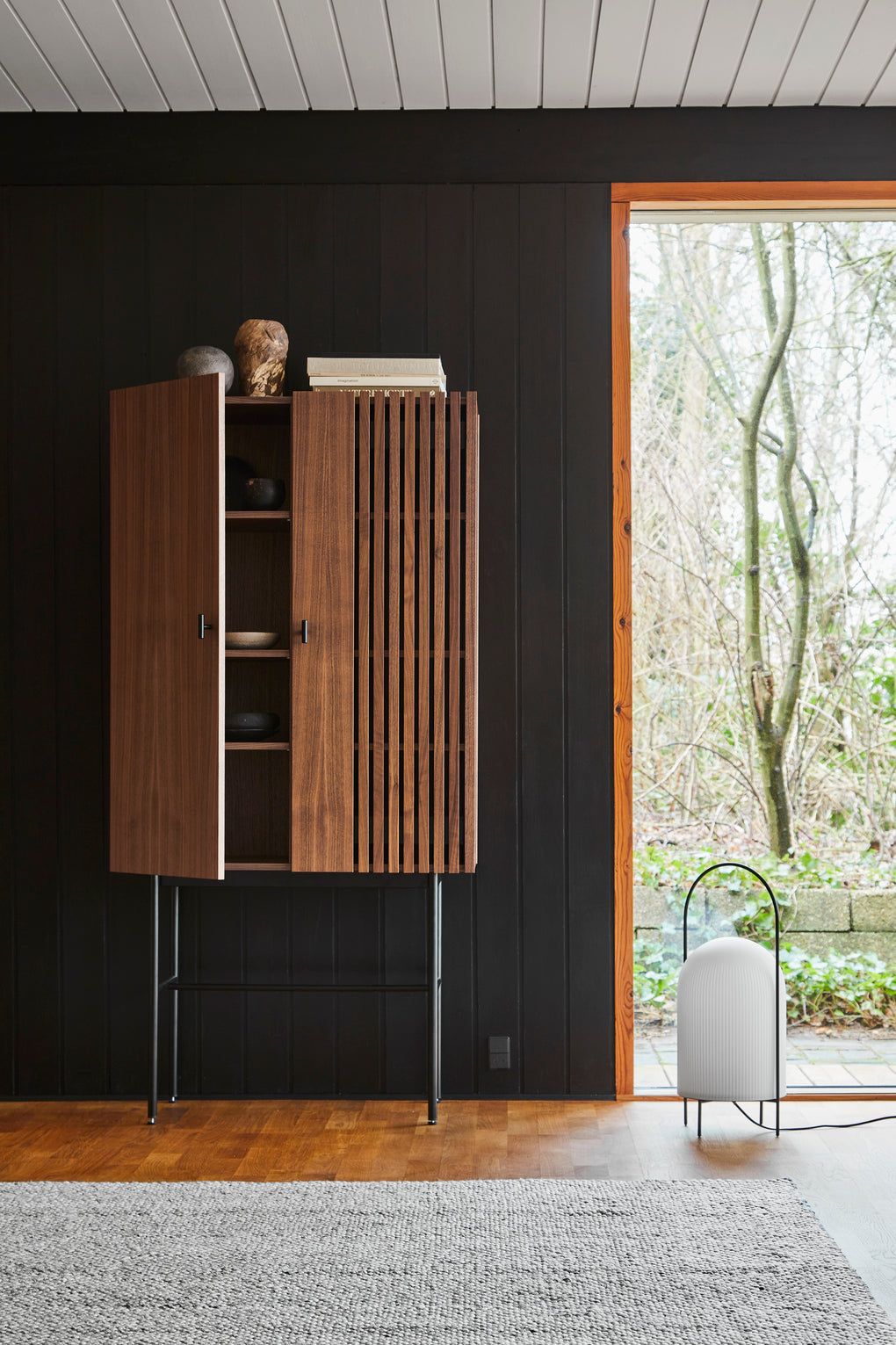
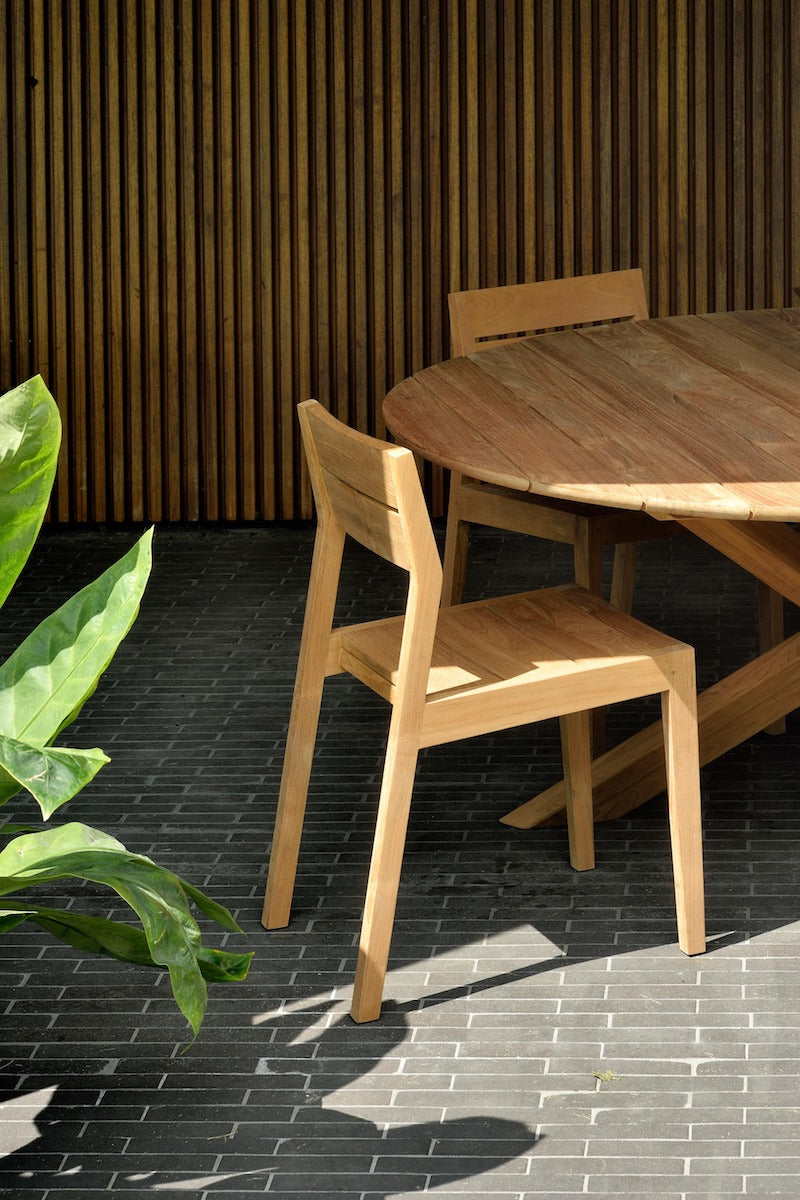
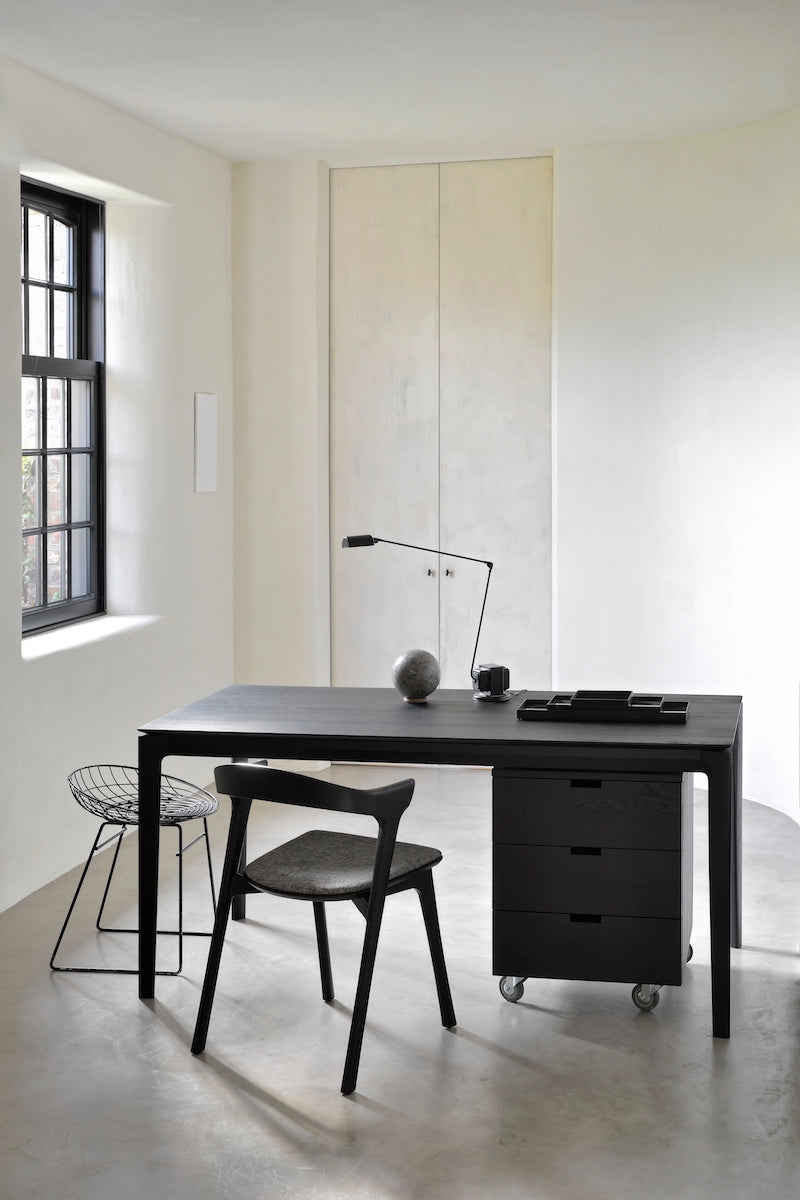
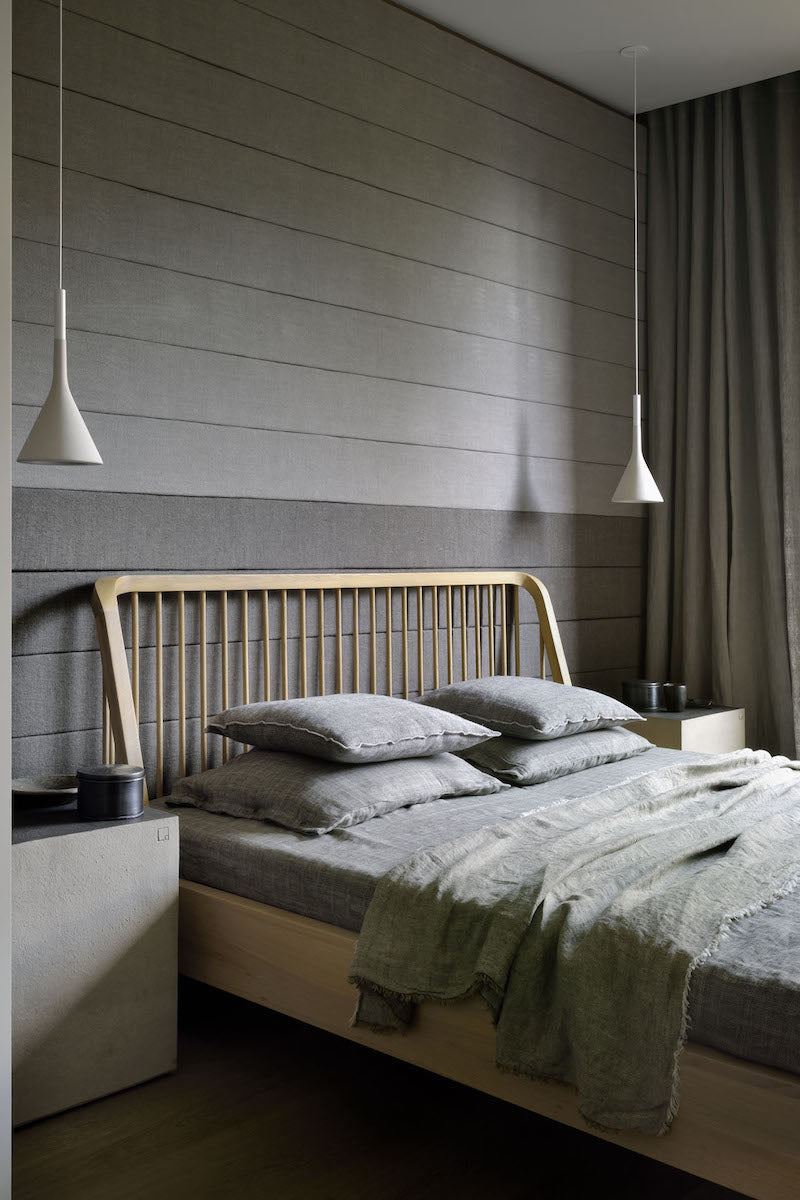
- Ethnicraft — Belgian solid-wood specialist. FSC certification across the oak, teak, walnut, mahogany, acacia, and iroko case-goods catalog. The Bok dining tables, the Mikado console, the Madra cabinet, the U seating series — all from FSC-certified wood.
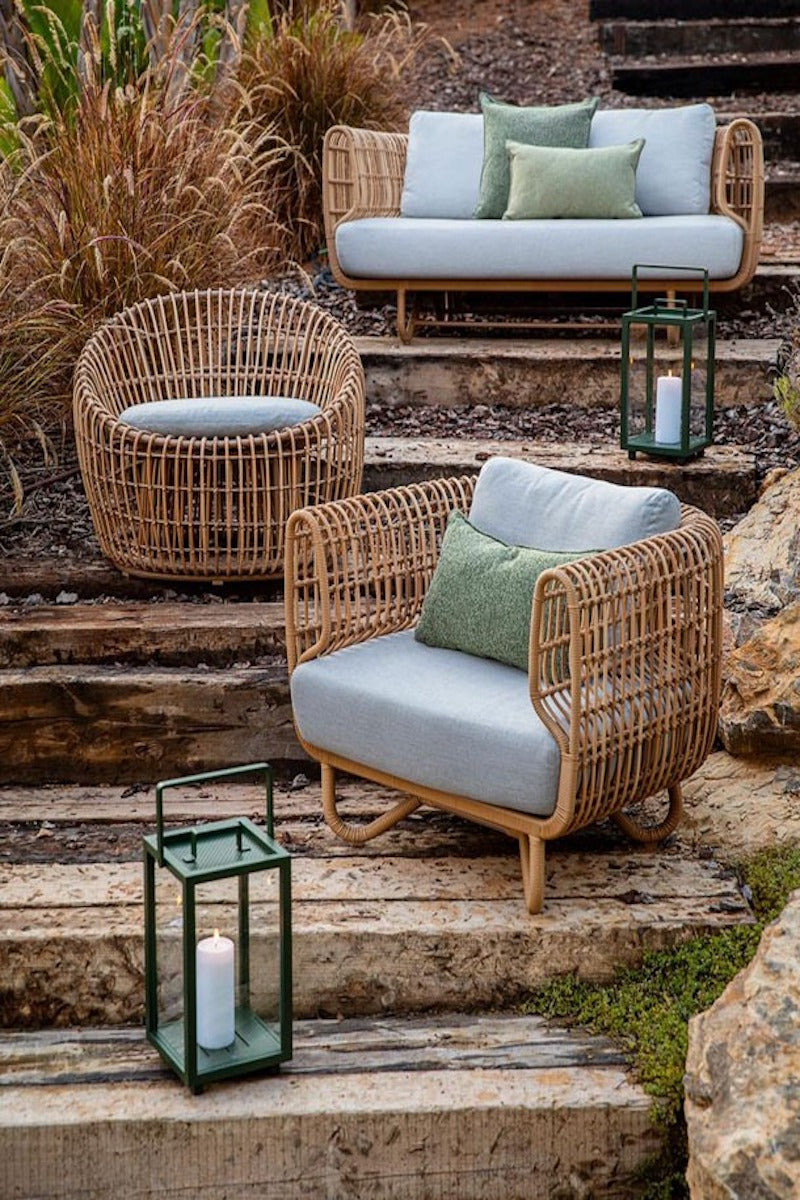
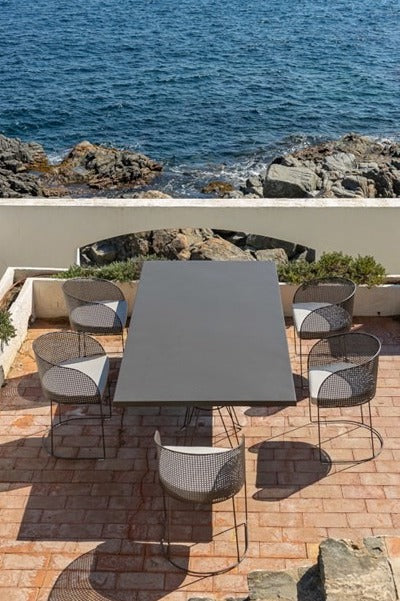
- Cane-Line — Danish outdoor. FSC-certified teak is the foundation of the brand's outdoor teak range, including the Twist dining tables, the Endless lounge series, and the Conic teak armchairs.
- FDB Møbler — Danish cooperative founded 1942. FSC-certified oak across the case goods and chairs catalog, including the Børge Mogensen J39 chair (in continuous production since 1944) and the Mogens Koch bookcase system.
- Tiptoe — French furniture system. PEFC-certified European oak across the tables, desks, and shelving range (Tiptoe's CoC certificate is PEFC/07-31-60). PEFC is the European-led counterpart to FSC, treated the same way by the Comosum Sustainability Meter.
A note on PEFC. The Programme for the Endorsement of Forest Certification was founded in 1999 as an umbrella for national forest standards, and it covers more smallholder forests in Europe than FSC. For a furniture buyer, FSC and PEFC are both credible third-party forest certifications, and the Sustainability Meter scores them equivalently on the Material dimension. The two systems have different governance and slightly different field criteria; both audit the chain of custody from forest to finished product.
How to verify a brand's FSC claim yourself
Ask for the certificate number — every legitimate FSC claim has one. The format is FSC-C plus six digits. Look it up at info.fsc.org. The result will show you who holds the certificate, what product categories it covers, the certification body that issued it, and whether it is currently valid. If a brand markets itself as FSC-certified but cannot produce the number, treat the claim as unverified.
Where FSC sits in the Comosum Sustainability Meter
The Sustainability Meter is our six-dimension rubric — Durability, Energy, Labor, Manufacturing, Material, and Transportation — applied to every product we consider carrying. FSC certification feeds the Material dimension directly. A verifiable third-party source standard is the strongest single signal we look for on wood-content products, and a piece with FSC 100% certification will not score below 4 on Material absent other concerns. FSC also contributes weakly to Manufacturing, because the chain-of-custody audit covers the factory's documentation practice, and weakly to Energy, because managed forest is a carbon-sequestration story rather than a CO2-emissions one.
Frequently asked questions
What does FSC certification cost a brand to obtain?
Chain-of-custody certification typically runs several thousand US dollars in audit fees for a small manufacturer, scaling with the number of production sites and the complexity of the supply chain. Forest Management certification for the forest owner is substantially more expensive. The certified-wood premium at the timber stage is usually in the single-digit percent range, and at the retail level the price difference is often invisible because the cost is amortized across the catalog.
How often is FSC certification renewed?
Chain-of-custody certificates are issued for five years with annual surveillance audits in between, and re-certification at the end of each five-year cycle. Forest Management certificates follow the same schedule. A lapsed certificate is not valid for new product claims.
Is FSC better than PEFC?
Both are credible third-party forest certifications. FSC was founded in 1993 by a coalition of environmental groups and industry, and historically has had broader environmental NGO support. PEFC was founded in 1999 as an umbrella for national forest standards and has broader smallholder-forest coverage in Europe. For a furniture buyer, either label is a meaningful step up from no certification.
Do all sustainable furniture brands carry FSC?
No. Brands that work mainly in metal, glass, recycled plastic, or composite materials usually do not hold FSC because the wood content is small or absent. Fermob (powder-coated steel), Heller (recycled polyethylene), and Mater (Matek composite from coffee shell and fishing nets) are sustainable for reasons that have nothing to do with forest certification. Mostly we look for FSC on solid-wood case goods.
What happens if a certified brand loses certification?
The brand can no longer sell its products with FSC labeling until the certificate is reinstated. If the issue is procedural (paperwork lapsed), reinstatement is usually fast. If the issue is substantive (an audit found controlled-wood violations), the brand may face suspension and a longer remediation path. The FSC public database flags lapsed and suspended certificates.
Does FSC cover the finish on my furniture?
No. FSC certifies the wood supply chain only. The lacquer, oil, or wax on a finished piece is outside FSC scope. For finish chemistry, look at GREENGUARD Gold or the brand's published finish disclosure. See our GREENGUARD Gold explainer for the finished-product air-quality side.
The shortest version of this guide: FSC is the credible wood-source signal. Use it to filter out mystery timber. Pair it with GREENGUARD Gold for finish chemistry, B Corp for company-level practice, and OEKO-TEX Standard 100 for any textile component, and the piece has third-party assurance across all four axes.
To browse FSC-certified products at Comosum, start with Ethnicraft, Cane-Line, FDB Møbler, and Tiptoe. For the rubric that combines FSC with the other signals into a single product-level score, read the Sustainability Meter methodology. For the full overview of all seven certifications that matter in 2026, see our Sustainable Furniture Certification Glossary.
Comosum is also a proud member and advocate of Be Original Americas, the leading organization dedicated to supporting and protecting original design. Be Original Americas promotes the economic, ethical, and environmental value of authentic design, encouraging both creators and consumers to understand why originality matters. Through our membership, we stand alongside a global community that values creativity, innovation, and craftsmanship.
Being part of Be Original Americas reinforces our belief that great design should respect its creators and the planet. It’s a commitment to authenticity — ensuring that every piece we offer honors the artistry, sustainability, and integrity that define original design.
Comosum is also a proud member and advocate of Be Original Americas, the leading organization dedicated to supporting and protecting original design. Be Original Americas promotes the economic, ethical, and environmental value of authentic design, encouraging both creators and consumers to understand why originality matters. Through our membership, we stand alongside a global community that values creativity, innovation, and craftsmanship.
Being part of Be Original Americas reinforces our belief that great design should respect its creators and the planet. It’s a commitment to authenticity — ensuring that every piece we offer honors the artistry, sustainability, and integrity that define original design.